TRANSPORTATION INDUSTRY
SCREENING FOR TRANSPORTATION COMPANIES.
Build role-aware screening workflows for transportation companies and Non-Emergency Medical Transportation (NEMT) businesses, including drivers, contractors, dispatch and scheduling staff, fleet personnel, attendants where applicable, and operational leaders. Varifox helps teams coordinate relevant searches, verifications, candidate steps, credentialing preparation, and status visibility around the responsibilities of each role.
Available searches, reports, testing options, turnaround times, and recurring workflows may vary by role, jurisdiction, source availability, selected package, customer requirements, and permissible purpose.
Transportation Companies Need Role-Aware Screening
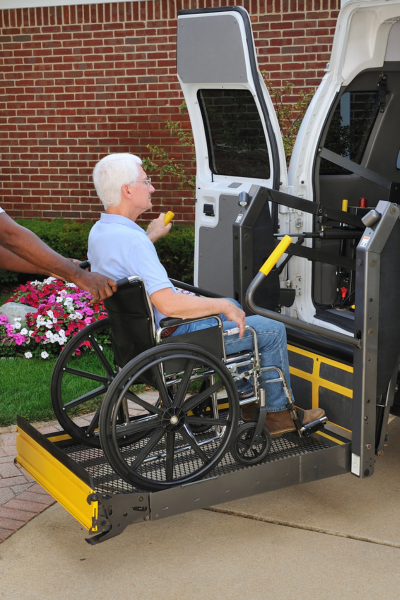
Transportation and NEMT organizations often coordinate passengers, drivers, contractors, routes, dispatch, fleet support, credentialing expectations, and customer requirements at the same time. A stronger screening workflow separates driver-facing responsibilities from support roles, keeps MVR and consent steps visible where appropriate, and helps teams understand what is pending before assignment, renewal, or review.
Workforce groups
- NEMT drivers
- Attendants or escorts
- Fleet and route drivers
- Contractor drivers
- Dispatch and scheduling teams
- Fleet, maintenance, and operations staff
Different Teams Need Different Paths
Transportation and NEMT programs often mix drivers, attendants, contractors, dispatch, scheduling, fleet support, and operations roles. Varifox helps teams map screening workflows around those operating realities without implying every group needs the same checks.
NEMT drivers
Drivers transporting eligible passengers to medical and related appointments, subject to the organization's role requirements and applicable program expectations.
Attendants or escorts
Passenger-support personnel used by some NEMT or transportation programs where the role and service model require them.
Fleet and route drivers
Commercial, delivery, passenger, route-based, or field-service drivers whose responsibilities may require role-specific screening.
Contractor and vendor drivers
Owner-operators, subcontractors, vendors, and other third-party transportation personnel who may sit outside the core employee workflow.
Dispatch and scheduling teams
Personnel coordinating routes, appointments, passenger communication, driver assignments, and daily operations.
Fleet, maintenance, and operations staff
Mechanics, technicians, fleet coordinators, warehouse personnel, and operational staff supporting transportation services.
Where Screening Gets Difficult
Transportation and NEMT programs need visibility into timing, ownership, missing information, and review readiness without assuming every role, program, jurisdiction, or source behaves the same way.
Different roles need different workflows
NEMT drivers, attendants, dispatch staff, mechanics, contractors, and other roles may require different screening paths.
Requirements may differ by program
Customer contracts, payer or network participation, organizational policy, role requirements, and jurisdiction may affect workflow planning.
Driver information varies by jurisdiction
Available motor vehicle information, terminology, timing, and source requirements may vary by state or jurisdiction.
Contractor workforces add complexity
Transportation and NEMT providers may need visibility across employee, contractor, vendor, and owner-operator workflows.
Recurring reviews require follow-up
Organizations may need to monitor updated reports, testing steps, expiring credentials, or recurring reviews where supported and applicable.
Manual status tracking slows operations
Spreadsheets and email threads can make it difficult to understand pending steps, completed items, and follow-up needs.
Screening Services That May Support The Program
Choose services based on role, permissible purpose, candidate consent, provider availability, jurisdiction, and customer eligibility.
Background checks
Configure available criminal-search, registry, and related screening options based on role, jurisdiction, selected package, and permissible purpose.
Motor vehicle reports
Include available driving-record information for eligible driver roles, subject to state and source requirements.
Identity verification
Support identity, name, address, contact, and related candidate-workflow steps where appropriate.
Employment verification
Review current or prior employment information where supported and relevant to the role.
Watchlist & OFAC search
Include available watchlist, OFAC, or sanctions-search context where appropriate for the selected workflow.
Professional license checks
Review available license or credential information for roles that require professional qualifications.
Clinic-based drug testing
Coordinate available testing workflows where selected, subject to panel choice, collection location, provider availability, and program requirements.
Not every service belongs in every transportation or NEMT package. Selection depends on the role, intended use, jurisdiction, source availability, customer requirements, and applicable obligations.
Credentialing And Setup Readiness
Business-information preparation
Prepare organization details, ownership context, locations or service areas, and requested documentation that may be needed during onboarding.
Intended-use and permissible-purpose context
Clarify why screening is being requested and how it supports transportation, NEMT, employment, contractor, vendor, or operational workflows.
Role and package preparation
Map workforce groups, selected packages, invitation steps, supporting documents, and workflow expectations before launch.
Status Visibility For Operations
Roster or participant status
Understand which drivers, contractors, vendors, applicants, or participants have been invited, are pending, or are ready for review.
Pending and completed workflow stages
Track candidate updates, completed steps, missing details, review needs, and follow-up activity from one operational view.
Recurring workflow visibility
Monitor recurring workflow activity where supported, including updated reports, testing coordination, credential items, or review cycles.
Why Transportation Teams Use Varifox
Support role-aware screening, credentialing readiness, and workflow visibility without forcing every transportation or NEMT role into the same process.
Role-Aware Workflow Design
Organize screening paths around the responsibilities of drivers, attendants, contractors, dispatch staff, and operational teams.
Transportation And NEMT Planning Context
Map role groups, program needs, service areas, and available workflow options for transportation and NEMT operations.
Credentialing Readiness
Prepare business information, intended-use context, supporting documentation, and workflow details that may be requested during onboarding.
Contractor And Roster Visibility
Bring employee, contractor, vendor, owner-operator, and other participant workflows into a clearer operational view.
Integration Pathways
Plan workflows around supported HRIS, ATS, payroll, directory, scheduling, or API environments where applicable.
Operational Status Clarity
Track pending actions, completed steps, review needs, and recurring workflow activity with less manual follow-up.
Complement Existing Transportation Processes
Varifox is designed to work alongside the HR, dispatch, scheduling, credentialing, vendor-management, and operational processes transportation and NEMT organizations already use. Map role groups, screening services, status visibility, and integration pathways around the way your team operates.
Related services
Screening services are subject to applicable laws, consent requirements, provider availability, customer eligibility, selected package, source access, and permissible purpose. Customers remain responsible for applicable requirements and final hiring, contracting, driving, safety, or eligibility decisions. Varifox does not provide legal or regulatory advice.
Ready To Map Your Transportation Workflow?
Talk with Varifox about transportation and NEMT role groups, screening packages, credentialing preparation, status visibility, and integration pathways.